It starts as a stuffy nose. Then the pressure builds behind your cheeks, your forehead aches, and bending over feels like your head might split. If you’re wondering whether you’re dealing with a lingering cold — or something worth getting checked out — you’re not alone.
Congestion and sinus pressure are some of the most common reasons people walk through our doors in Philadelphia, especially in the fall when colds, allergies, and temperature swings collide. Most of the time, a few days of rest, fluids, and over-the-counter care are enough to turn the corner. But sometimes symptoms hang on or take a turn — and that’s when a clinician’s evaluation can help you figure out what’s going on.
Here’s the short version: if congestion and facial pressure have stuck around for 10 days or more, you have a fever, or you started to feel better and then got worse again, it’s a good time to come in. And if you’re simply unsure, you’re welcome to walk in — sorting that out is what we’re here for.
Signs it might be a sinus infection
A common cold usually peaks within a few days and starts to fade within 7 to 10. When symptoms stretch past that — or feel more intense than a typical cold — they may point to a sinus infection. Only a clinician can evaluate what’s going on with you, but these are the signs people most often come to us with:
- Stuffy nose or nasal congestion lasting 10 days or longer without improving
- Thick, discolored nasal discharge paired with facial pressure or pain
- Pain or pressure around the forehead, cheeks, or eyes that doesn’t let up
- Fever that shows up alongside cold symptoms that won’t quit
- Symptoms that start improving, then clearly get worse again
- A lingering dull headache, or a reduced sense of smell and taste
Having one or more of these doesn’t diagnose anything on its own — allergies, migraines, and other conditions can cause facial pressure too. It’s simply the kind of information a clinician uses when evaluating you in person.
When to walk in
You don’t need to wait it out or try to diagnose yourself. As a walk-in clinic, we’re set up for same-day evaluation — no appointment needed. If any of the signs above sound familiar, or your symptoms are getting in the way of work, sleep, or everyday life, come in and let a clinician take a look.
It’s also completely fine to come in when you’re just unsure. Plenty of patients arrive with a cold that turned out to be exactly that — and left with peace of mind. Others learned their symptoms deserved a closer look. Either way, you’ll leave with answers instead of questions.
One exception: if you develop severe symptoms such as sudden vision changes, swelling around the eyes, or a very high fever, head to an emergency room instead of urgent care.
What happens at your visit
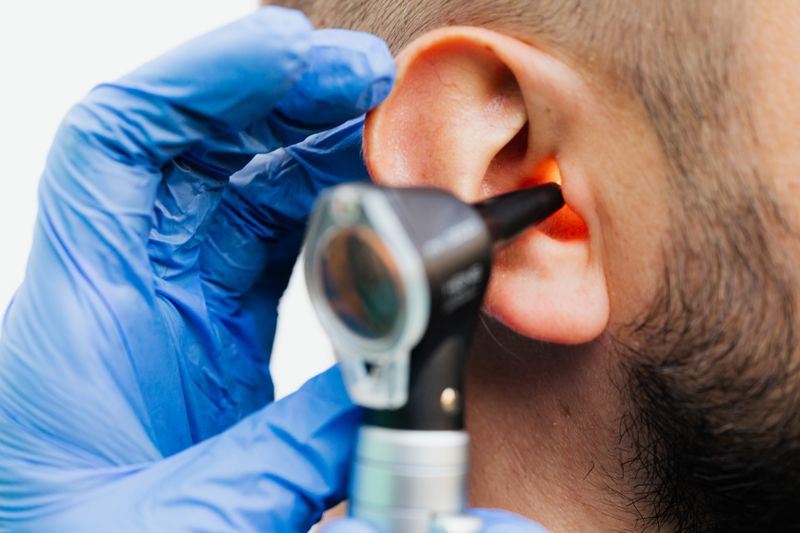
A typical visit is quick and straightforward. A clinician will ask about your symptoms and how long they’ve been going on, examine your ears, nose, and throat, and check your sinuses for tenderness. From there, they’ll explain what they’re seeing and discuss treatment options with you when appropriate.
Because we’re a walk-in clinic, you can come in during our regular hours without an appointment — no referral needed.
What it costs
An office visit is a flat $125 for self-pay patients — no surprise bills and no facility fees. See the full breakdown on our pricing page.
Need care today? Walk in Mon–Fri 8 AM–6 PM — no appointment needed. Call (267) 703-2247 or check in online.
This article is for general information only and is not medical advice. If you have questions about your symptoms, a clinician can evaluate you in person.